Quick Answer
Most people losing weight do well around 1.6-2.2g protein per kg body weight, adjusted for size, activity, calories and how realistic the target feels.
Meal Examples
Example Meals That Fit This Approach
These are examples of the sort of meals that can be adjusted around your own calorie target and preferences.
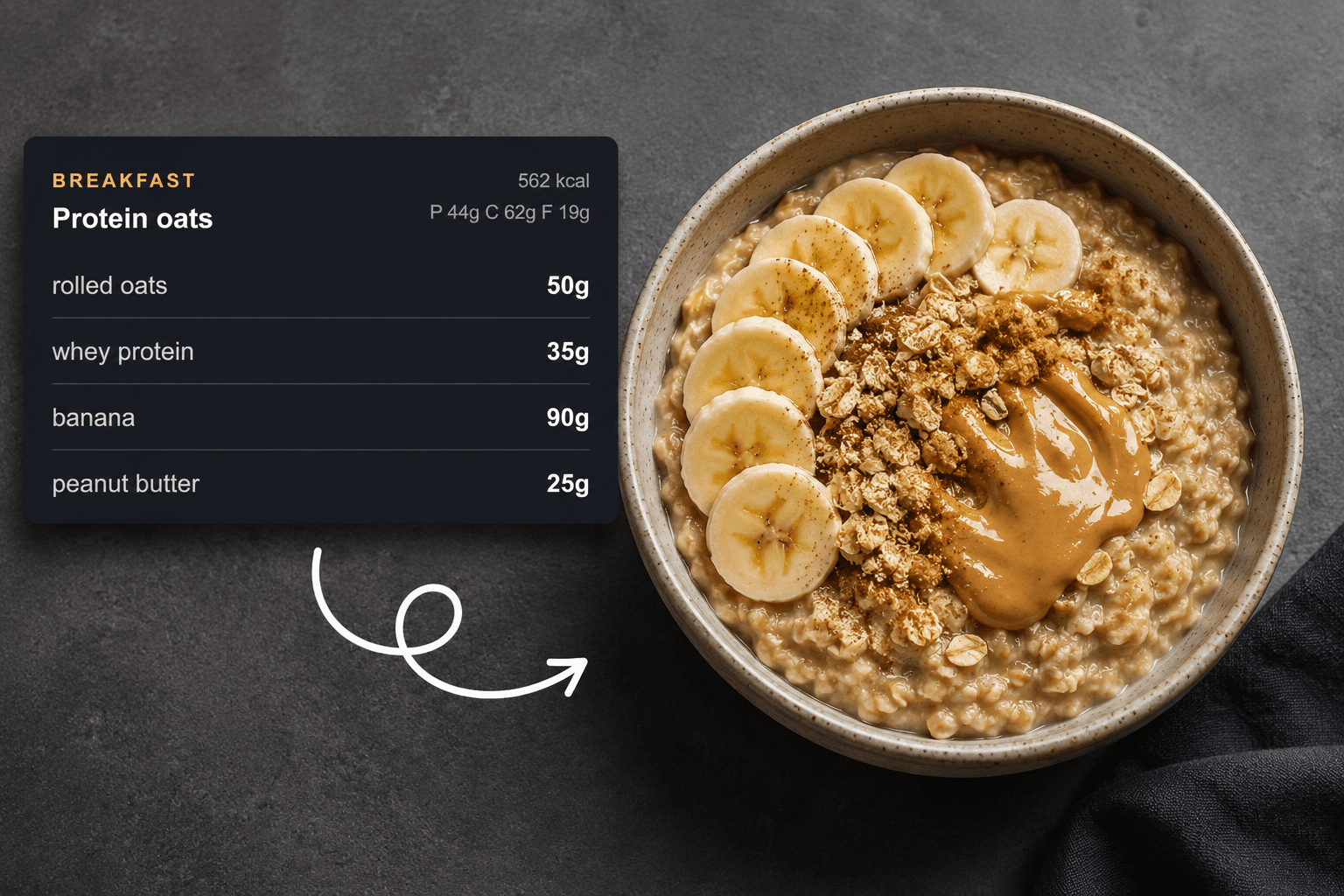
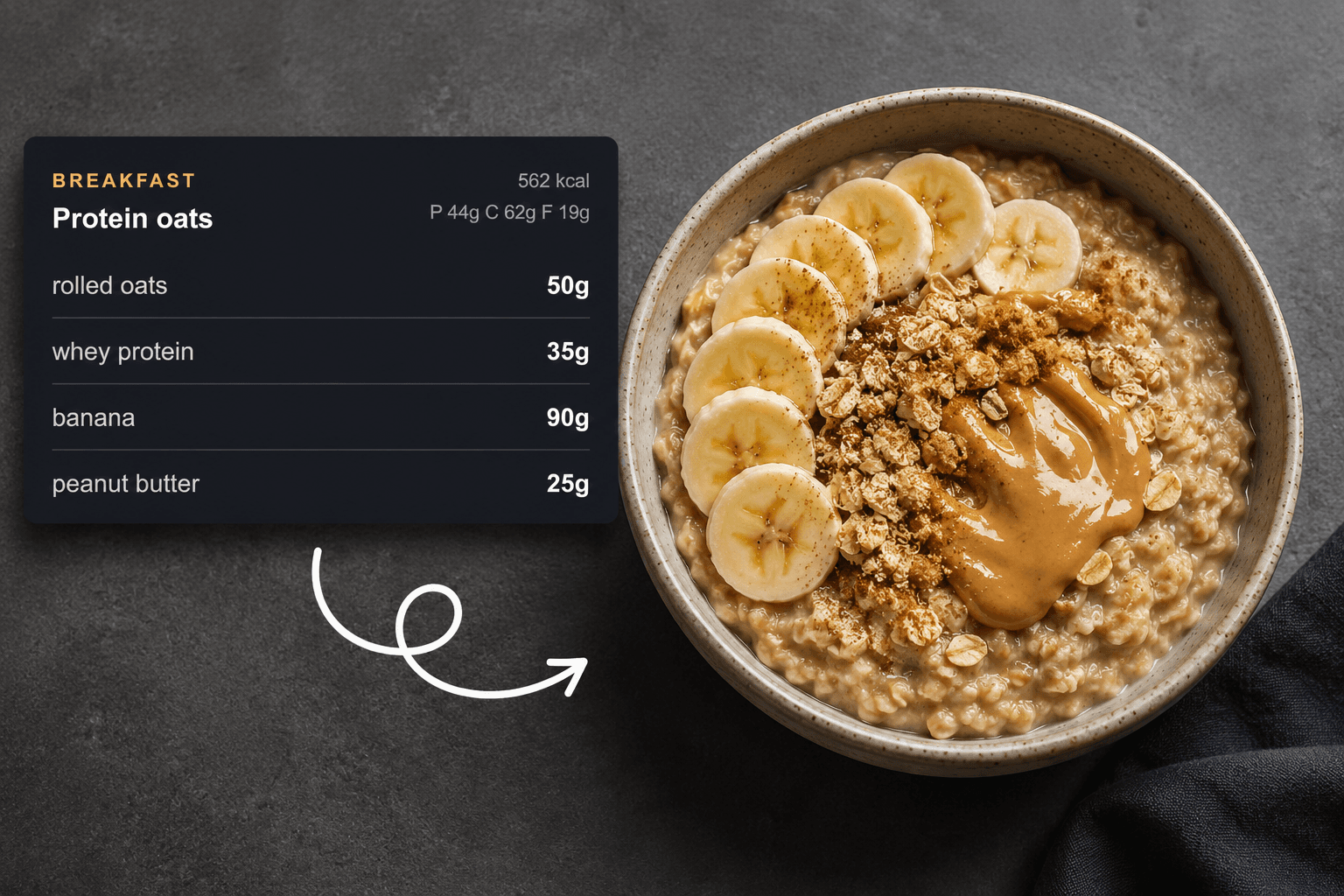 Breakfast
Protein Oats Or Yoghurt Bowl
A simple high-protein start that works well for busy mornings and can be made sweeter without losing control of calories.
Calories
350-500 kcal
Protein
30-45g protein
Prep
5 min
Why It Works
High protein, practical prep time and enough structure to fit a calorie target without feeling like bland diet food.
Ingredients
- Oats or yoghurt
- Whey or high-protein yoghurt
- Fruit
- Measured topping
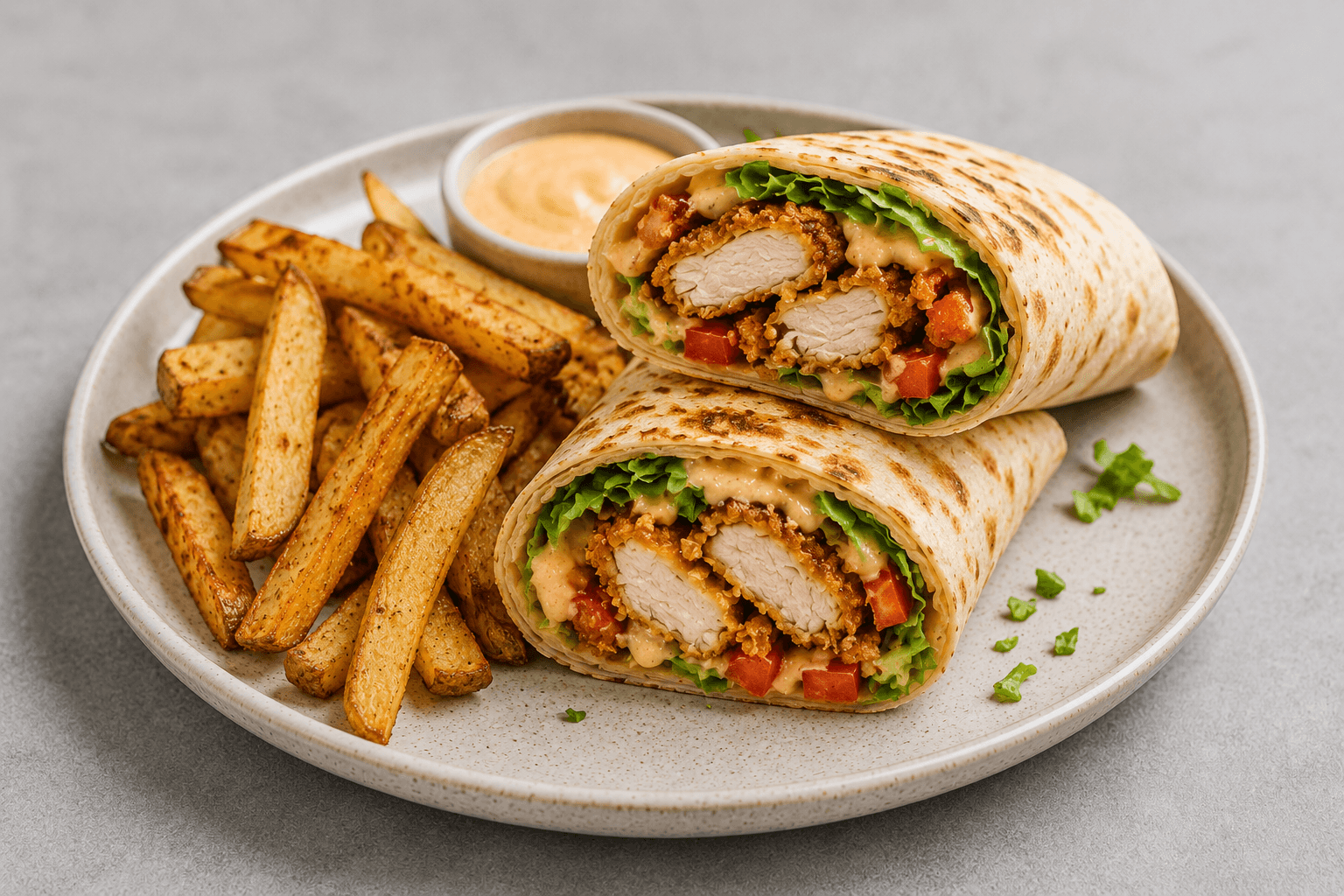 Lunch
LunchChicken Wrap Or Pasta Pot
A realistic lunch that can be prepped, packed and eaten without feeling like bland diet food.
Calories
450-650 kcal
Protein
35-55g protein
Prep
15-20 min
Why It Works
High protein, practical prep time and enough structure to fit a calorie target without feeling like bland diet food.
Ingredients
- Chicken or lean mince
- Wrap, pasta or rice
- Salad or veg
- Light sauce
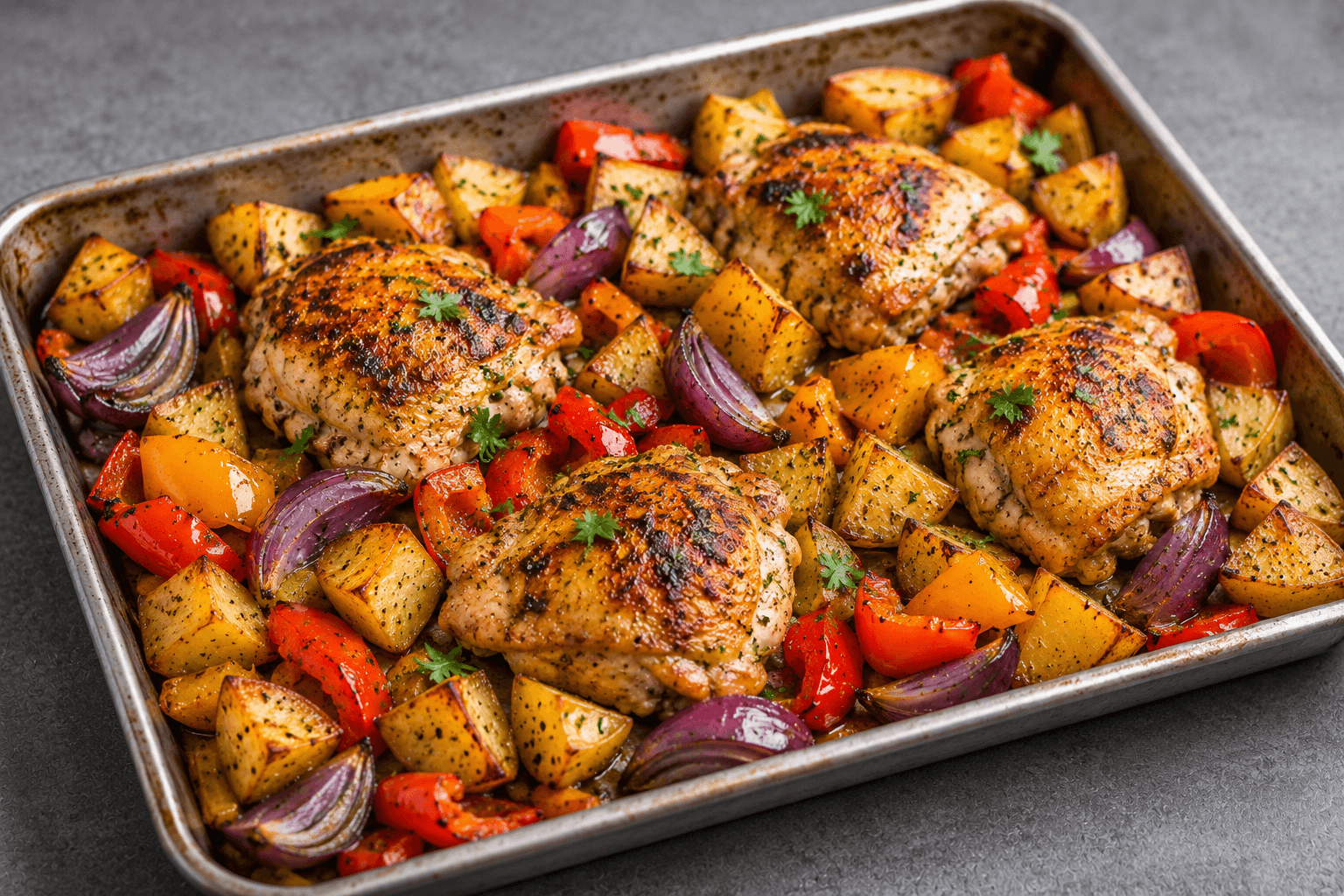 Dinner
Tray Bake Or Loaded Bowl
A filling dinner with protein, carbs and vegetables that can be scaled up or down depending on your target.
Calories
500-750 kcal
Protein
40-60g protein
Prep
20-30 min
Why It Works
High protein, practical prep time and enough structure to fit a calorie target without feeling like bland diet food.
Ingredients
- Chicken, mince or fish
- Potatoes, rice or pasta
- Vegetables
- Seasoning
Key Point
Protein Calculator Section
A simple starting point is body weight in kg multiplied by 1.6-2.2. For someone weighing 80kg, that means roughly 128-176g protein per day.
If that feels too high, start lower and build consistency. A realistic target beats an impressive one you never hit.
Weight-Based Examples
At 70kg, a useful range may be 112-154g. At 90kg, it may be 144-198g. At 110kg, it may be 176-242g, although calories and appetite matter.
- 70kg: 112-154g
- 80kg: 128-176g
- 90kg: 144-198g
- 100kg: 160-220g
Key Point
Why Protein Helps Fat Loss
Protein supports fullness, muscle retention and recovery from training. It also makes meals feel more substantial.
It does not override calories, but it makes calorie control easier.
Better vs Weaker Approach
Better Choice
A plan built around your real schedule
Meals you can repeat without hating them
Progress based on consistency
Weaker Choice
A plan that assumes perfect discipline
Bland food you quit after a week
Chasing a perfect week every week
Action Steps
How To Hit Your Target
Put protein into each meal. Use eggs, yoghurt, chicken, tuna, mince, cottage cheese, tofu or whey as needed.
Do not leave 100g protein to solve after dinner.
Action Steps
How To Use This In A Real Week
The useful version of this advice is the version you can still follow when work is busy, motivation is average and the day does not go perfectly.
Pick two or three ideas from the article and make those your defaults for the week. You do not need a completely different meal or workout every day to make progress.
If you can repeat the basics most of the time, the plan starts to feel easier. That is usually when results become more predictable.
- Choose repeatable meals
- Keep protein visible
- Plan around your busiest days
- Adjust portions before changing everything
Action Steps
How To Adjust Portions Without Ruining The Meal
Most meals can be adjusted without changing the whole recipe. Keep the protein similar, then move calories up or down through carbs, fats and sauces.
If you need fewer calories, reduce oil, cheese, mayo, rice, pasta, wraps or potato portions slightly. If you need more calories, add extra potato, rice, oats, yoghurt, fruit or a controlled snack.
This is exactly why a personalised plan is more useful than a fixed meal list. Two people can eat the same meal, but the portion sizes may need to be completely different.
- Keep protein steady
- Adjust carbs first
- Measure oils and sauces
- Use snacks to top up protein
Example
Example Day Of Eating
Breakfast
High-protein breakfast built around your calories
Lunch
Simple meal-prep style option you can take to work
Dinner
Normal food with protein, carbs and sensible portions
Snack
Optional high-protein top-up if needed