Quick Answer
A good 1600 calorie meal plan UK should include three satisfying meals, an optional snack, roughly 107-145g protein, plenty of fluids and enough flexibility to avoid turning the diet into punishment.
Meal Examples
What A 1600 Calorie Day Can Look Like
These example meals are visual guides, not rigid rules. The full plan adjusts portions around your body, goal, training schedule and food preferences.
 Breakfast
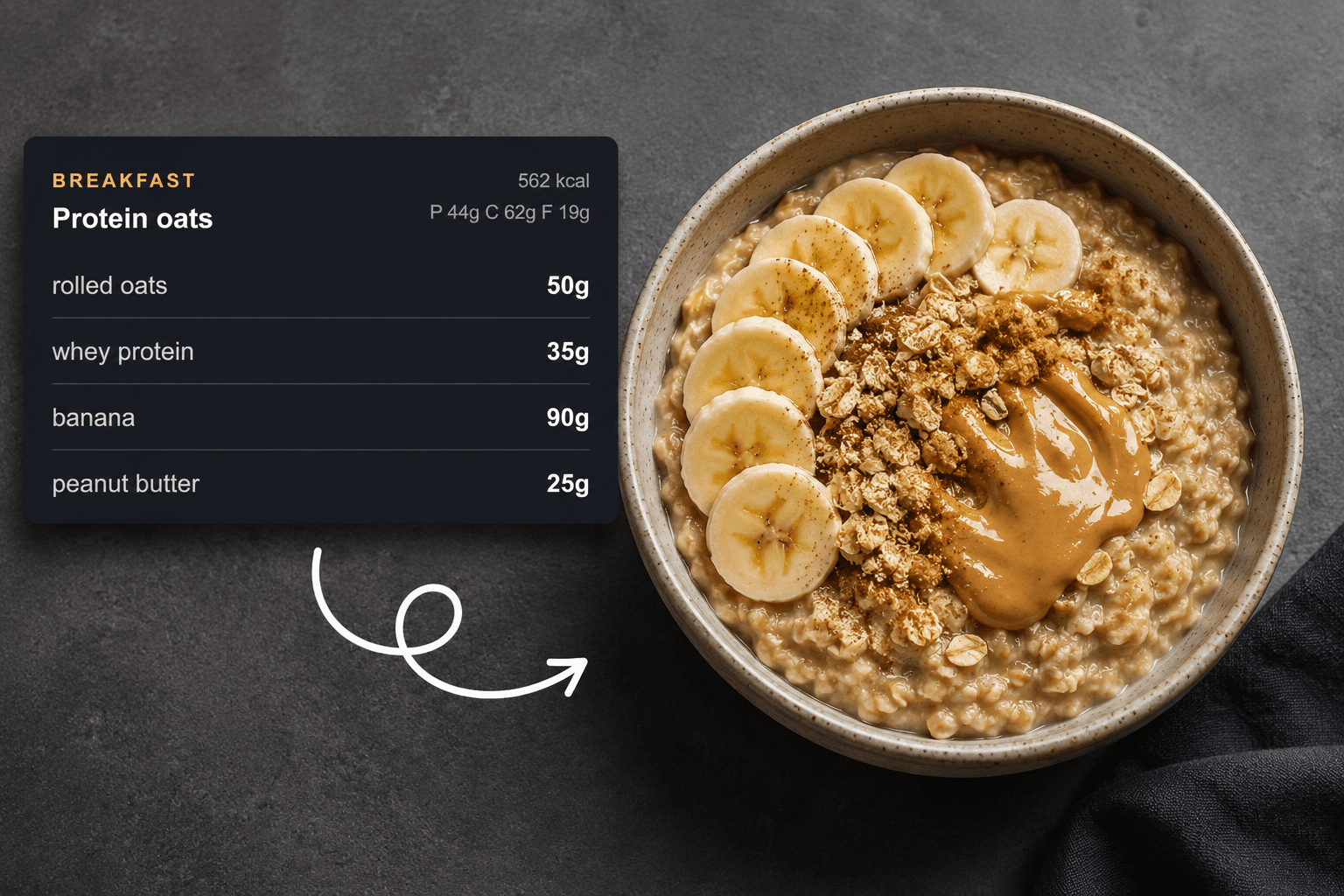
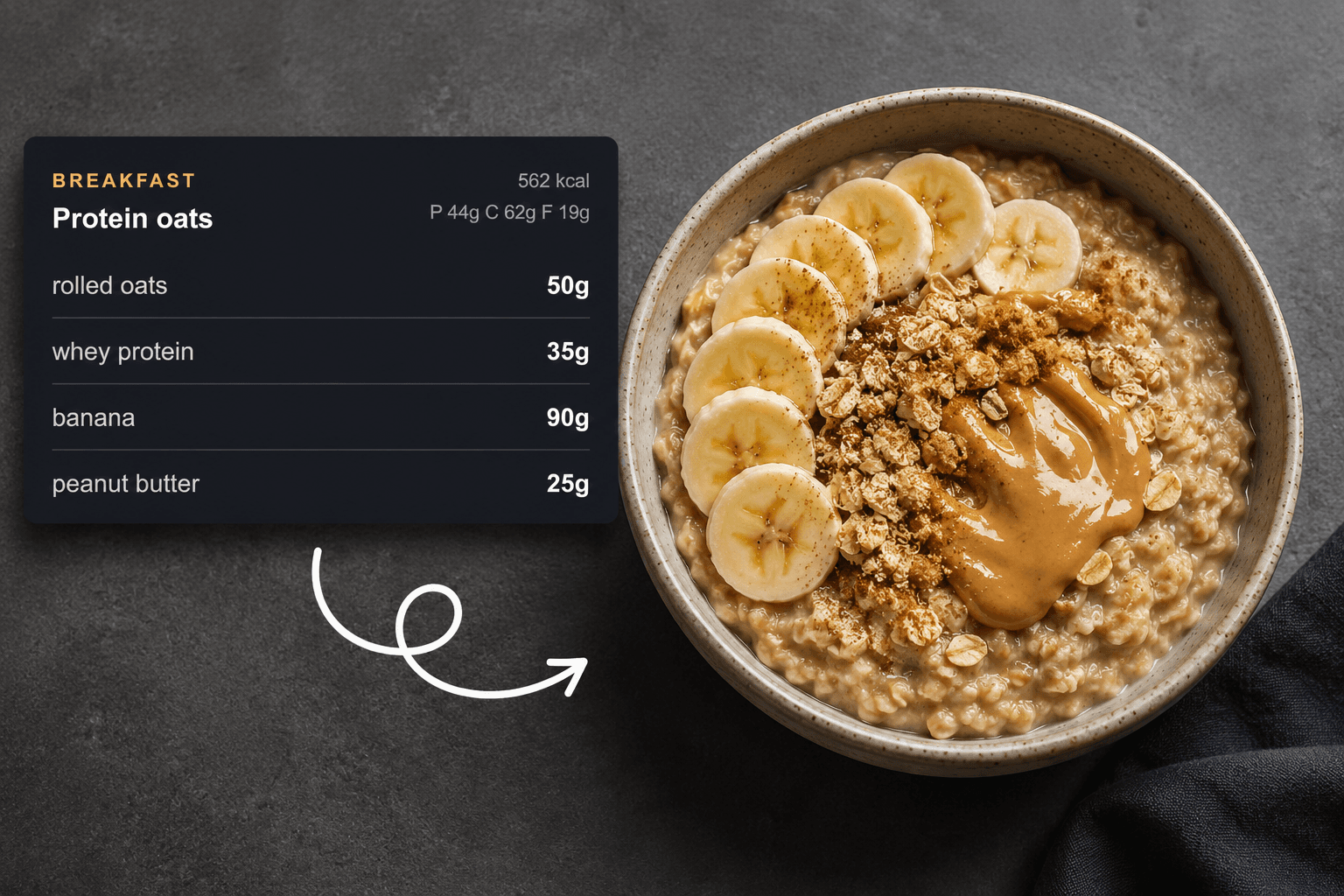
Creamy Protein Oats
A filling, sweet breakfast that gives you slow carbs and a proper protein base. It works well because it feels like normal food rather than a tiny diet breakfast.
Calories
378 kcal
Protein
32g protein
Prep
5-8 min
Why It Works
High protein, practical prep time and enough structure to fit a calorie target without feeling like bland diet food.
Ingredients
- Oats
- 0% Greek yoghurt or milk
- Whey protein
- Berries or banana
- Small peanut butter or honey topping
 Lunch
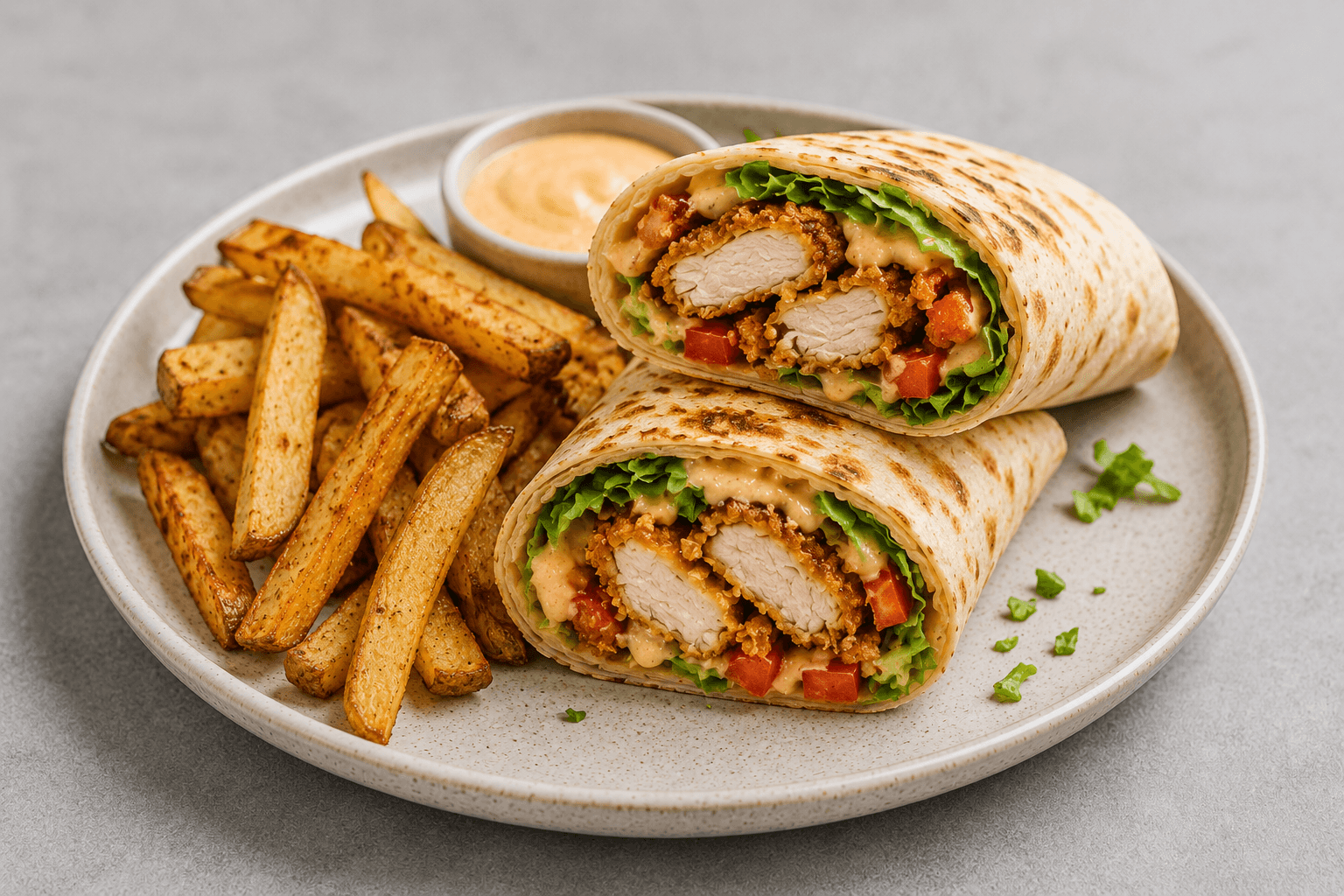
LunchHigh Protein Chicken Wrap
A realistic work lunch with proper texture and enough protein to stop the afternoon snack spiral. Adjust the fries or wrap size to match the calorie target.
Calories
444 kcal
Protein
38g protein
Prep
15-20 min
Why It Works
High protein, practical prep time and enough structure to fit a calorie target without feeling like bland diet food.
Ingredients
- Chicken breast
- Low calorie wrap
- Salad
- Light sauce
- Extra salad or fruit
 Dinner
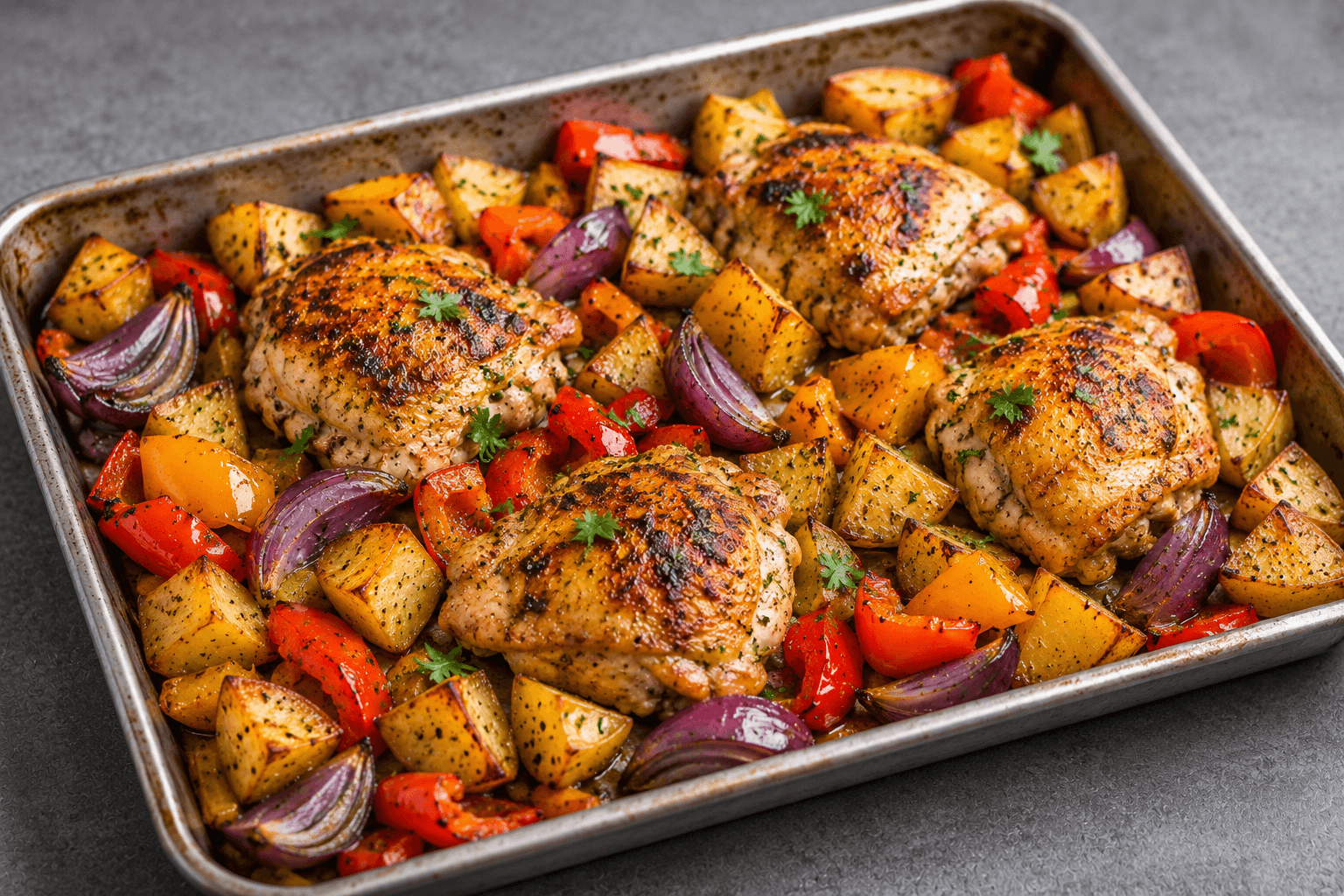
Easy Chicken Tray Bake
A proper dinner-style meal: protein, carbs and vegetables in a portion that feels satisfying. This is the kind of meal that makes a calorie target easier to repeat.
Calories
558 kcal
Protein
45g protein
Prep
20-30 min
Why It Works
High protein, practical prep time and enough structure to fit a calorie target without feeling like bland diet food.
Ingredients
- Chicken or lean mince
- Potatoes, rice or pasta
- Mixed vegetables
- Seasoning
- Measured sauce or cheese
 Snack
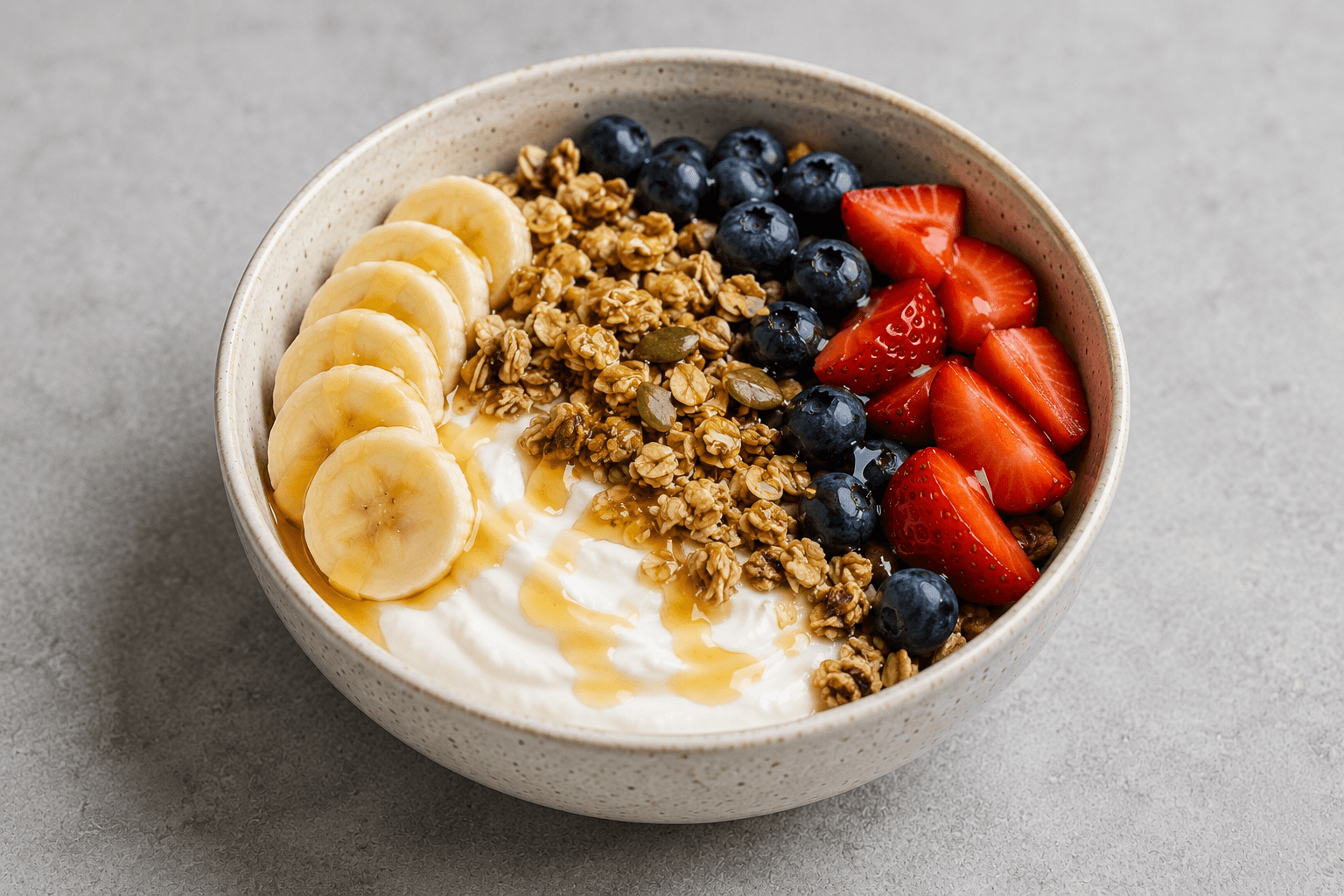
SnackProtein Yoghurt Bowl
A controlled protein top-up. On lower calories this keeps the day from feeling too small; on higher calories it helps protein stay high without another full meal.
Calories
220 kcal
Protein
22g protein
Prep
2-5 min
Why It Works
High protein, practical prep time and enough structure to fit a calorie target without feeling like bland diet food.
Ingredients
- Greek yoghurt or protein pudding
- Fruit
- Berries
- Optional whey if needed
Action Steps
Who A 1600 Calorie Meal Plan Suits
A 1600 calorie target is a smaller fat-loss target that usually suits shorter, lighter or less active people. It is not automatically right for everyone, which is why your height, weight, activity, training and consistency matter.
The aim is not to eat as little as possible. The aim is to create enough of a calorie deficit to lose fat while still having enough food to train, work and live normally.
If you are training, doing a physical job or already struggling with low energy, this target may need adjusting. A calorie target should support the routine, not make every day feel like a battle.
Use this article as an example of what the numbers can look like, then adjust portions and food choices around your own appetite, schedule and progress.
- Good for structured fat loss
- Works best with high protein
- Needs adjusting if energy crashes
- Should be reviewed as body weight changes
Example 1600 Calorie Day
This is a free example day, not a perfect prescription. Use it to understand what the calorie level can look like with realistic food choices.
Breakfast: protein oats with yoghurt and berries, around 378 calories.
Lunch: chicken wrap or rice bowl with salad, around 444 calories.
Dinner: lean mince pasta, chicken tray bake or potato bowl, around 558 calories.
Snack: protein yoghurt, fruit, shake or a measured bar, around 220 calories.
The meals below are deliberately normal. They are the sort of meals someone could buy from UK supermarkets, prep with basic equipment and repeat without feeling like they are living out of plastic tubs.
If a meal feels too big or too small, change the carb portion first. Rice, potatoes, oats, wraps and pasta are the easiest levers to adjust while keeping protein fairly consistent.
- Protein oats or yoghurt bowl
- Chicken wrap, rice bowl or pasta pot
- Tray bake, loaded potato or lean mince dinner
- Snack only if needed to hit protein
Simple UK Shopping List
A useful meal plan should translate into food you can actually buy. Keep the list boring enough to repeat, then change sauces, seasonings and meal combinations for variety.
For one week, start with oats, Greek yoghurt, chicken, lean mince or turkey, potatoes, rice or wraps, salad, frozen vegetables, fruit, light cheese and a couple of convenient protein snacks.
The biggest shopping mistake is buying seven separate recipe lists. That feels exciting on Sunday and annoying by Wednesday. Use overlapping ingredients so one shop can create several meals.
For example, chicken can become wraps, tray bakes or rice bowls. Potatoes can become wedges, loaded bowls or a dinner side. Greek yoghurt can be breakfast, dessert or a high-protein snack.
- Oats and yoghurt
- Chicken or lean mince
- Rice, wraps or potatoes
- Frozen veg and salad
- Fruit and berries
- Protein yoghurt or bars
Better vs Weaker Approach
Better Choice
A plan built around your real schedule
Meals you can repeat without hating them
Progress based on consistency
Weaker Choice
A plan that assumes perfect discipline
Bland food you quit after a week
Chasing a perfect week every week
Protein Targets On This Calorie Level
For a 1600 calorie meal plan, protein matters because it helps with fullness and muscle retention. A practical target for many people would sit around 107-145g per day, depending on body size.
If protein is too low, dieting tends to feel harder. Hunger rises, training feels worse and the weight you lose may not give the look you actually want.
A simple way to hit the target is to put a proper protein source into breakfast, lunch and dinner, then use a snack only if needed. Trying to rescue the whole protein target late at night is where people usually get stuck.
Common Mistake
Common Mistakes
The most common mistake is spending too many calories on low-protein snacks, then wondering why the day feels impossible.
Another mistake is copying a calorie target from someone else. The right target depends on your body, activity level and how consistently you can follow the plan.
People also forget that weekends count. A clean Monday to Friday can be wiped out by two unplanned days if portions, alcohol, takeaways and snacks all stack up.
The fix is not to ban everything. The fix is to plan for real life, keep protein high and avoid pretending the highest-calorie meals did not happen.
- Skipping protein at breakfast
- Forgetting liquid calories
- Guessing oil and sauces
- Making meals too small to repeat
Action Steps
How To Use This In A Real Week
The useful version of this advice is the version you can still follow when work is busy, motivation is average and the day does not go perfectly.
Pick two or three ideas from the article and make those your defaults for the week. You do not need a completely different meal or workout every day to make progress.
If you can repeat the basics most of the time, the plan starts to feel easier. That is usually when results become more predictable.
- Choose repeatable meals
- Keep protein visible
- Plan around your busiest days
- Adjust portions before changing everything
Action Steps
How To Adjust Portions Without Ruining The Meal
Most meals can be adjusted without changing the whole recipe. Keep the protein similar, then move calories up or down through carbs, fats and sauces.
If you need fewer calories, reduce oil, cheese, mayo, rice, pasta, wraps or potato portions slightly. If you need more calories, add extra potato, rice, oats, yoghurt, fruit or a controlled snack.
This is exactly why a personalised plan is more useful than a fixed meal list. Two people can eat the same meal, but the portion sizes may need to be completely different.
- Keep protein steady
- Adjust carbs first
- Measure oils and sauces
- Use snacks to top up protein
Example
Example Day Of Eating
Breakfast
High-protein breakfast built around your calories
Lunch
Simple meal-prep style option you can take to work
Dinner
Normal food with protein, carbs and sensible portions
Snack
Optional high-protein top-up if needed